
Your brakes are one of the, if not the, most important systems in your vehicle for safety. However, many look past visible or audible signs of brake wear. It can be easy to push off brake service as it can seem not urgent or too expensive. While some issues like grinding, pulsating, or a spongy pedal are impossible to ignore, a problem like squeaking seems more of a nuisance than a safety hazard. However, if your brakes squeak, you may not want to put off getting them looked at.
What’s Causing My Brakes to Squeak?
There are a few reasons why your brakes could be emitting a high-pitched squeal, including:
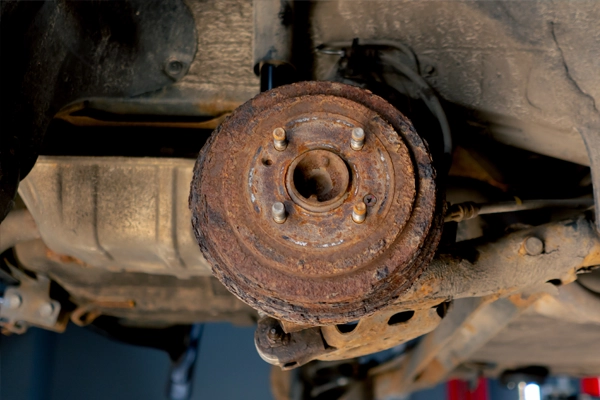
Worn-Out Brake Pads
Maybe the most obvious of the issues, worn brake pads will have lost much of the material responsible for creating friction cleanly. This can mean that the pads are pushing down on the rotors with the indicator located at the bottom of the friction material. The indicator is designed to produce a high-pitched noise when braking to warn the driver of the brake’s condition. This means that most of the pad’s material has been used up, and it is time to replace them.
Dust on Debris on Rotors
The material being shaved from brake pads needs to go somewhere, and this brake dust often ends up on the rotors. When enough builds up between the pads and rotors, it can cause a squealing noise as the debris is rubbed against the spinning rotor.
Brake dust isn’t the only culprit of this, as rust and road dirt/debris can also cause similar issues. Luckily, often this can be remedied with some brake cleaner and a shop towel.
Faulty Brake Pad Clips
Metal clips push down on the brake pad and keep it mounted properly within the caliper. When these clips are installed incorrectly or extremely worn down from use, they can begin to cause a squeaking noise to come from the pad.
The main cause of this is not changing the clips with the pads. Pad clips are only designed to last as long as the pads themselves, and should be swapped at the same time to avoid failing hardware. Brake pad replacements will come with new clips to install, so anyone attempting a brake DIY should ensure their clips are replaced and installed properly.
Loose Hardware
Over time, your brake hardware is exposed to harsh vibrations from rough road conditions and consistent driving. This can cause the hardware to become jarred loose or knocked out of place. In the right circumstances, this may cause a high-pitched vibration or rubbing to be emitted.
Why Do My Brakes Need Replacing?
Brakes are one of the most frequently replaced components in a vehicle, even though many car parts can last for years without issue. But why do brakes wear out faster?
Car brakes work by creating friction to slow and stop the wheels from spinning. Most cars use disc brakes, which rely on brake rotors and pads to generate this friction.
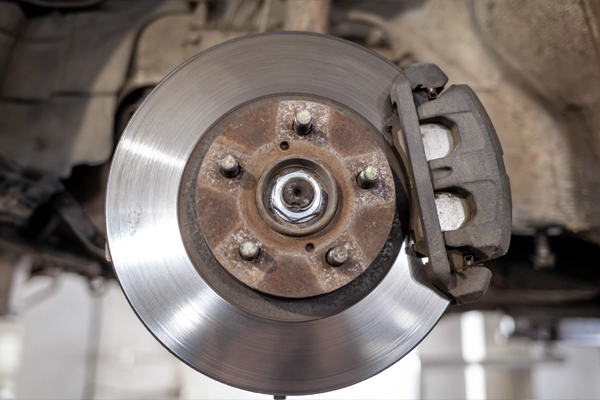
Rotors are large metal discs visible behind your wheel spokes. When you press the brake pedal, hydraulic pressure forces the brake pads against the rotors, creating the friction needed to slow or stop the car.
Because brakes repeatedly create friction every time you stop, both the pads and rotors gradually wear down and lose effectiveness over time.
It’s not just pads and rotors that can wear out. Calipers (which hold the pads), brake lines, and various seals, clips, and hardware are also subject to wear and might fail after years of use.
Brake Service in Portland
If your vehicle needs a brake inspection or replacement, look no further than Arthur’s Automotive in Portland, OR. We specialize in complete brake service from routine inspections and brake pad replacement to rotor resurfacing and full system repairs. We understand how important your brakes are for your safety, and we take that responsibility seriously. Call or book an appointment online now.
